





























Something shifts in spring—and not just outside. The body responds to seasonal change too, signaling a natural readiness to reset and refresh.
But clearing out is only part of the story. What you build back in—the nutrients, the patterns, the habits—matters, and sets you up for long-term success. Prolon is designed around this rhythm: a reset that helps the body clear what's no longer serving it, and everyday nutrition that supports what comes next. Both matter equally. And together, they create the conditions for change that sticks.
Step 1: Clear out
When we’re eating regularly, the body prioritizes digestion, nutrient storage, and growth. But when intake is carefully reduced, the body begins to shift its priorities. Instead of building, it turns inward and begins focusing on repair.
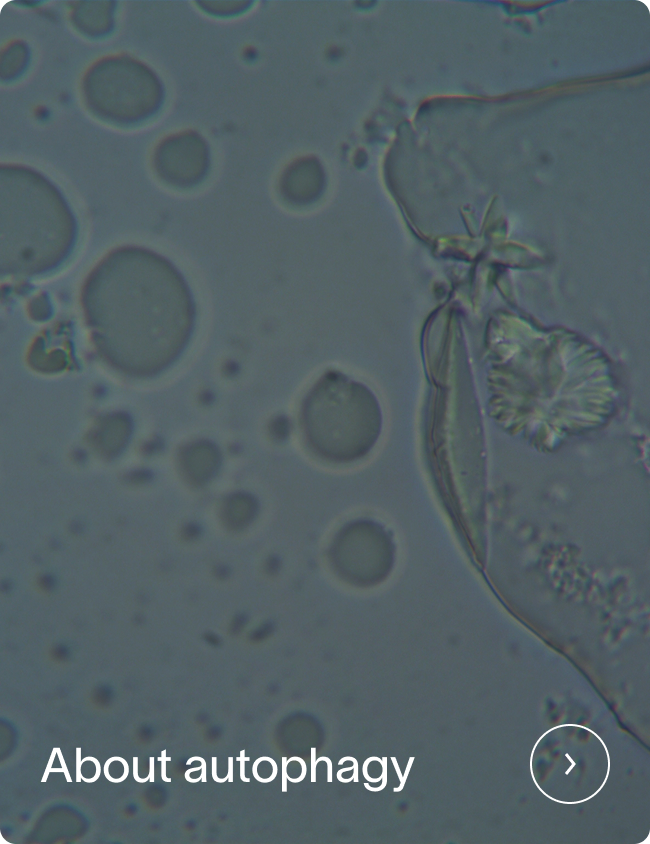
One of the key processes activated during this time is autophagy, a natural cellular cleanup process in which the body breaks down and recycles damaged or inefficient components. Think of it as cellular spring cleaning, removing “cellular junk.” Prolon is the only nutrition program shown to activate this biological superpower in humans. With the damaged components removed, the body is better positioned to then regenerate newer, more efficient cells, supporting metabolism reset, targeted fat loss, immune health, and overall resilience. This process, referred to as cellular reprogramming, is part of what makes periodic 5-Day Prolon FMD cycles so impactful.
Step 2: Rebuild
With younger-functioning cells now in place, what you do next helps determine how the body rebuilds. The nutrients you provide, the patterns you follow, and the habits you incorporate help sustain and build on the benefits of your reset, including weight management, metabolic health support, energy, and glowing skin.
The Longevity Diet, based on decades of research into the eating patterns of the world’s longest-living populations, provides this framework. Rather than strict rules, it emphasizes a way of eating that can be sustained over time. Key principles include:
-
Building meals around vegetables, legumes, and whole grains
-
Incorporating healthy fats like olive oil, nuts, and seeds
-
Keeping protein intake moderate, with an emphasis on plant-based sources
-
Following a 12:12 circadian eating pattern
-
Starting the day with nourishment
-
Staying physically active
-
Prioritizing hydration and quality sleep
A cycle your body can work with
The real shift isn’t just in the reset, and it isn’t only in how you eat day to day; it’s in the rhythm between the two. Resets that allow the body to clear and recalibrate, followed by periods that support intentional rebuilding, create a cycle the body can respond to over time. Spring reflects that rhythm—an opportunity to reset your body, and then rebuild with purpose.


